
Medical and Surgical

Medical and Surgical Care in Dallas, Frisco, and Fort Worth, TX

Patients who notice their hearing or balance is worse than it used to be shouldn’t just write it off as signs of aging, especially when a simple diagnosis and procedure may be the solution. Dallas Ear Institute provides specialized medical and surgical care for adults and children with conditions affecting the ear, skull base, balance system, hearing, and facial nerve. For patients dealing with ongoing ear pain, hearing changes, dizziness, chronic infections, or a complex diagnosis, an evaluation can be the first step toward finding relief and restoring connection with the people and experiences around them.

Dallas Ear Institute provides advanced ear surgery for patients whose condition cannot be fully managed with medication, observation, hearing technology, or other conservative treatments. Depending on the diagnosis, surgery may repair a perforated eardrum, remove chronic disease, improve sound transmission through the middle ear, or address structural problems affecting hearing and ear health. Procedures may include tympanoplasty to repair the eardrum, mastoidectomy for disease involving the mastoid bone, stapedectomy for otosclerosis-related hearing loss, myringotomy with ear tube placement, and endoscopic ear surgery. Dallas Ear Institute’s fellowship-trained otologists and neurotologists evaluate each patient individually and recommend surgery only when it offers a meaningful path to improved function or protection of long-term ear and hearing health.

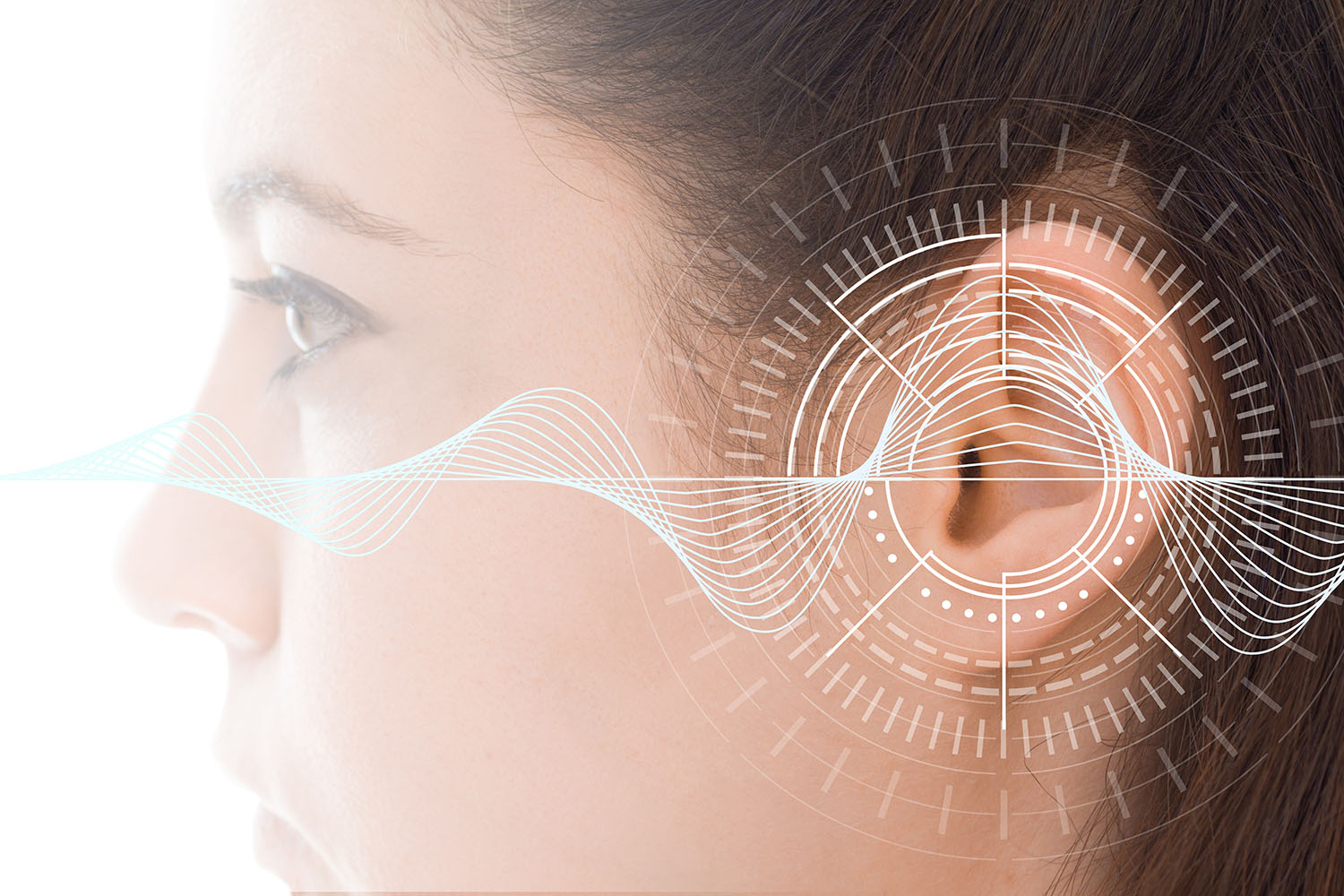
A close-up of a womans ear with digital graphics and sound waves overlayed, symbolizing hearing, sound technology, or auditory science.

Ear Conditions (Otology)

Otology focuses on diseases and disorders of the ear and hearing system, ranging from common problems to complex conditions that require subspecialty care. Dallas Ear Institute treats adults and children with concerns such as chronic ear infections, perforated eardrums, cholesteatoma, conductive hearing loss, Eustachian tube dysfunction, otosclerosis, and facial nerve disorders. Because similar symptoms can have very different causes, evaluation may include an ear examination or additional diagnostic work before recommending treatment. Some patients may improve with medication or hearing devices, while others may benefit from surgery. Having otologists, neurotologists, and audiologists working together allows patients to move from diagnosis to treatment without separating the medical and hearing sides of their care.

A group of healthcare professionals stack their hands together in a show of teamwork, wearing white coats, scrubs, and stethoscopes.

Skull Base Surgery

Skull base tumors develop in a complex area where the ear, brain, cranial nerves, and major blood vessels are closely connected, making specialized evaluation especially important. Dallas Ear Institute treats conditions such as acoustic neuromas, also called vestibular schwannomas, meningiomas, glomus jugulare tumors, facial nerve tumors, and other abnormalities involving the lateral skull base. When surgery is appropriate, Dallas Ear Institute uses a multidisciplinary team fully equipped to handle each patient’s unique situation. The team has access to advanced endoscopic, minimally invasive, image-guided, and nerve-monitoring techniques to protect surrounding structures while treating the underlying condition.
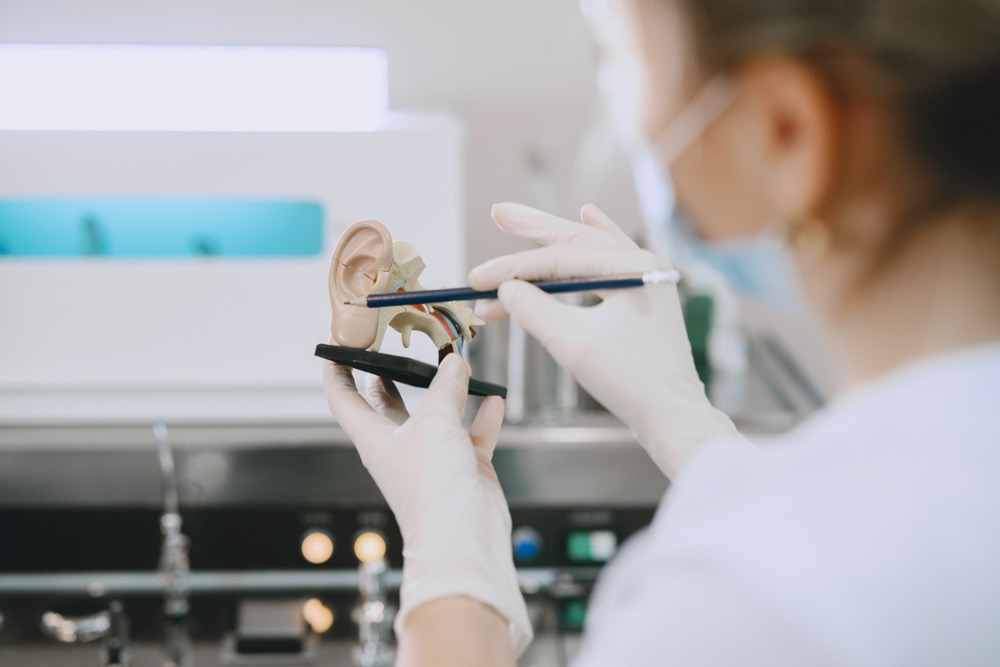
A person wearing gloves points at a model of a human ear with a pencil, likely explaining parts of the ear in a medical or educational setting.

Balance Disorders

Frequent dizziness, vertigo, unsteadiness, or falls can make everyday activities difficult and may point to an inner ear or vestibular system problem. Dallas Ear Institute evaluates and manages ear-related balance conditions such as benign paroxysmal positional vertigo (BPPV), Ménière’s disease, vestibular migraine, vestibular neuritis, labyrinthitis, and superior semicircular canal dehiscence. Not every balance problem begins in the ear, so the care team considers symptoms and medical history before building a treatment plan. Depending on the diagnosis, care may include lifestyle or diet changes, medication, vestibular rehabilitation, repositioning maneuvers, monitoring, or surgery for certain structural conditions.

The Ear and Hearing Research Center

Dallas Ear Institute and Baylor University Medical Center lead an otology and lateral skull base research program supported by national grant funding and private philanthropy. Its clinical and translational studies focus on hearing loss, otologic disease, and skull base disorders, with the goal of improving patient care.

The program also sponsors a year-long research fellowship for a medical student pursuing ENT and works with Vanderbilt University Medical Center and other institutions on multi-center research.

Schedule a Consultation at Dallas Ear Institute

Persistent ear symptoms, hearing changes, dizziness, or a complex skull base diagnosis can make it hard to know what care to seek next. Dallas Ear Institute helps patients get a clear evaluation and understand their options.

Patients in Dallas, Frisco, Fort Worth, and surrounding communities can schedule a consultation at Dallas Ear Institute to take the first step toward answers, symptom relief, and restoring the connections that matter most.