
Hearing Loss
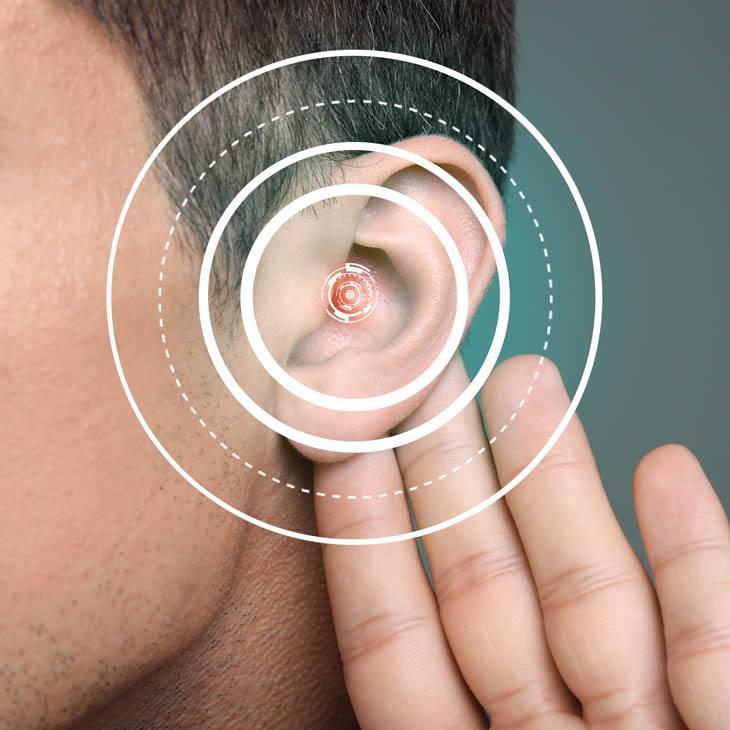
Hearing loss can affect much more than volume. Patients may hear speech but struggle to understand words, especially when several people are talking or background noise is present. Hearing loss may be conductive, sensorineural, or a combination of both, and it can affect one or both ears to different degrees. At The Hearing Center, evaluation begins by determining the type and degree of hearing loss and how it affects the patient’s everyday communication. From there, the team can discuss options, including hearing aids, medical or surgical treatment, implantable hearing technology, auditory rehabilitation, or other strategies. The goal is not simply to make sounds louder, but to help patients participate more fully in relationships and the moments they don’t want to miss.
Pediatric Hearing Loss
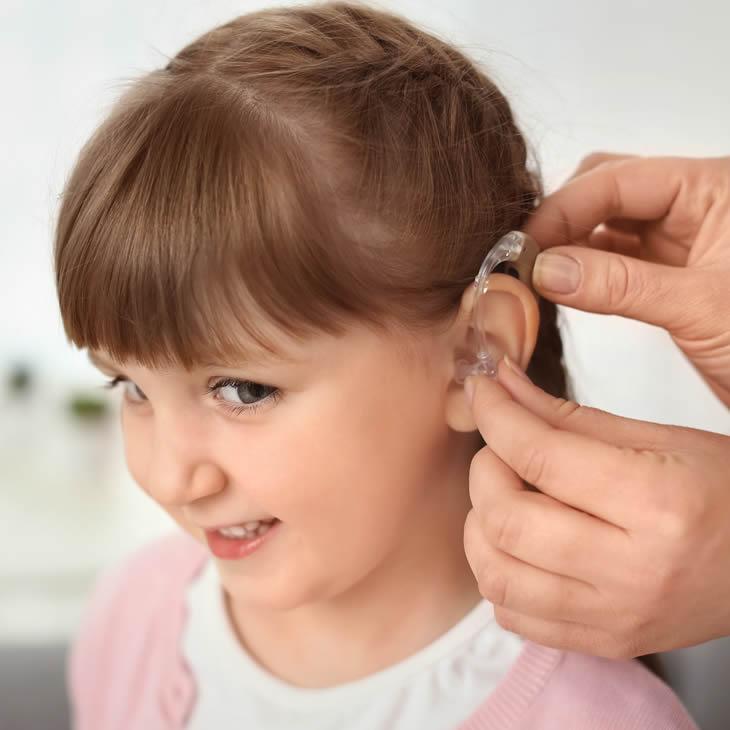
Children need hearing care that accounts for age, development, communication, and family needs. The Hearing Center provides comprehensive pediatric audiology for children of different ages and developmental levels, including hearing testing, hearing aid fitting, and ongoing support as listening needs change. The office environment is designed to help children and families feel comfortable, while audiologists and neurotologists work together when a hearing concern may also need medical or surgical attention. Dallas Ear Institute also offers an experienced pediatric cochlear implant program for children who may not benefit enough from conventional hearing aids. Families are given time to understand treatment options and what each recommendation may mean for speech, language, school, and daily communication.
Hearing Testing
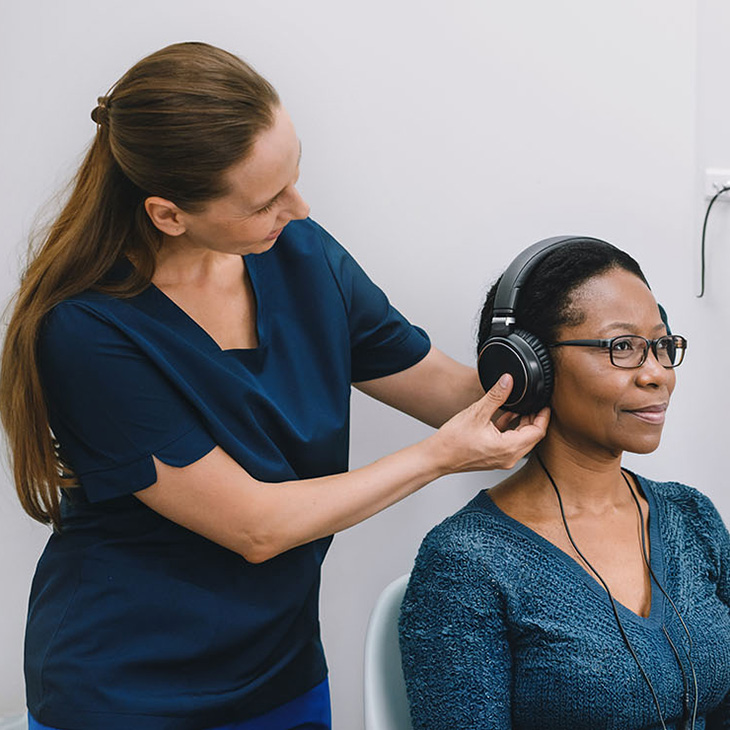
Hearing testing gives the care team a clear picture of what a patient hears, what may be difficult to understand, and where the hearing pathway may be affected. The Hearing Center offers comprehensive audiologic testing that may include pure-tone audiometry, speech testing, tympanometry, otoacoustic emissions, and auditory brainstem response testing when appropriate. During a standard hearing evaluation, patients respond to sounds at different pitches and volumes and may repeat words presented at conversational levels to measure speech understanding. Additional testing can help evaluate middle ear function or how the auditory system responds to sound. After testing, the audiologist reviews the results with the patient and explains whether hearing loss is present, what type it is, and which treatment options best match the patient’s listening needs.
Hearing Aid Repair
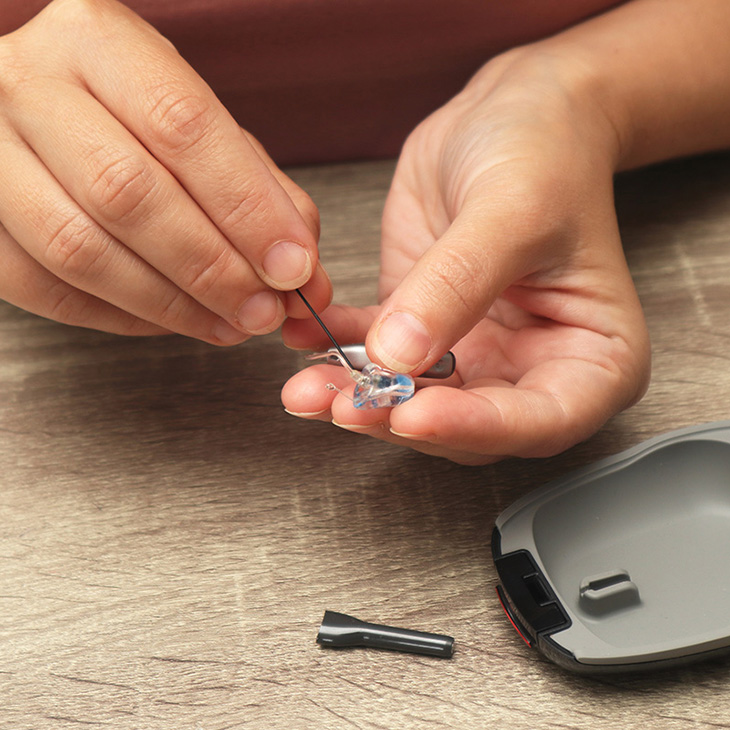
When a hearing aid sounds weak, cuts in and out, whistles unexpectedly, stops charging, or no longer performs as it should, a professional evaluation can help determine whether the problem is a simple maintenance issue or requires a larger repair. The Hearing Center offers on-site help for simple hearing aid repairs and cleanings, including a walk-in option for certain basic services. Problems may involve wax buildup, domes, filters, tubing, charging contacts, microphones, receivers, or programming rather than complete device failure. When an internal repair cannot be completed in the office, the hearing aid may need manufacturer service. Loaner devices are also available in appropriate situations, helping patients stay connected while their primary hearing aids are being repaired.
Hearing Aids
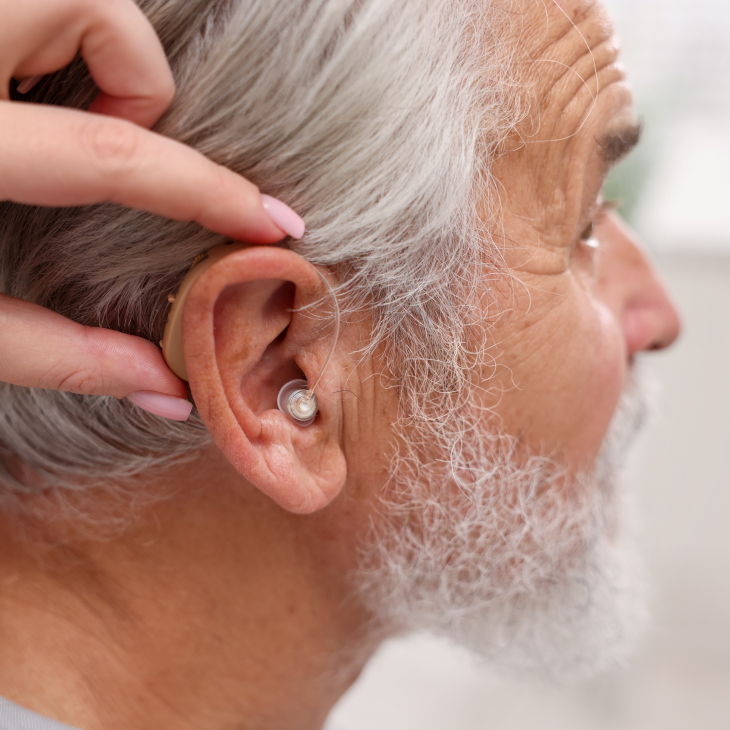
Modern hearing aids can do much more than amplify every sound equally. The Hearing Center offers current hearing technology designed to improve access to speech, manage sound in challenging listening environments, and fit comfortably into the patient’s routine. Options range from discreet in-ear designs to receiver-in-canal and behind-the-ear technology, with features that may include rechargeable batteries, wireless connectivity, directional microphones, and automatic adjustments for different environments. Because hearing needs vary, the team does not approach hearing aids as a one-size-fits-all purchase. Our team guides patients toward the right technology to return to conversations, music, family gatherings, work, and other experiences that make hearing important.

Hearing Protection
Protecting hearing before damage occurs can preserve access to sound for years to come. The Hearing Center provides impressions and custom hearing protection for patients exposed to loud sound through work, music, shooting, hunting, law enforcement, and recreation. Options may include custom ear molds, protective plugs, and musician-specific hearing protection designed around the listening environment. Musicians may need protection that reduces sound intensity while preserving enough clarity to perform and enjoy music. Hunters and shooters need protection from sudden, high-intensity impulse noise, while occupational users may need devices comfortable enough to wear repeatedly throughout a workday. The audiology team can help patients choose protection that fits securely and matches how they actually encounter noise rather than relying on a generic solution.
Cochlear Implants
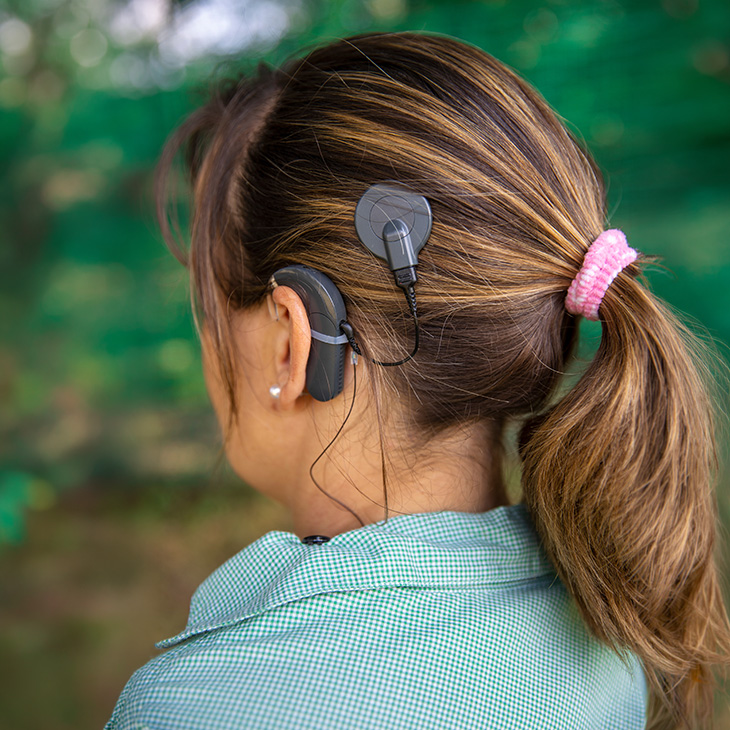
Cochlear implants may provide access to sound for patients with significant hearing loss who receive limited benefit from traditional hearing aids. The Center for Cochlear Implants at Dallas Ear Institute was established in 1992 and brings together a multidisciplinary team for evaluation, surgery, programming, and rehabilitation. The program has guided thousands of patients, from infants to older adults, through cochlear implantation and is recognized as a Center of Excellence for Cochlear Implantation. Dallas Ear Institute has also participated in more than 20 clinical trials evaluating new cochlear implant technology. Each patient is evaluated individually, so families and adults can understand the potential benefits, limitations, risks, and rehabilitation involved. Hearing needs can evolve throughout life, so cochlear implant care continues well beyond surgery as patients learn to use and adapt to their device.
Bone Conduction and Osseointegrated Implants
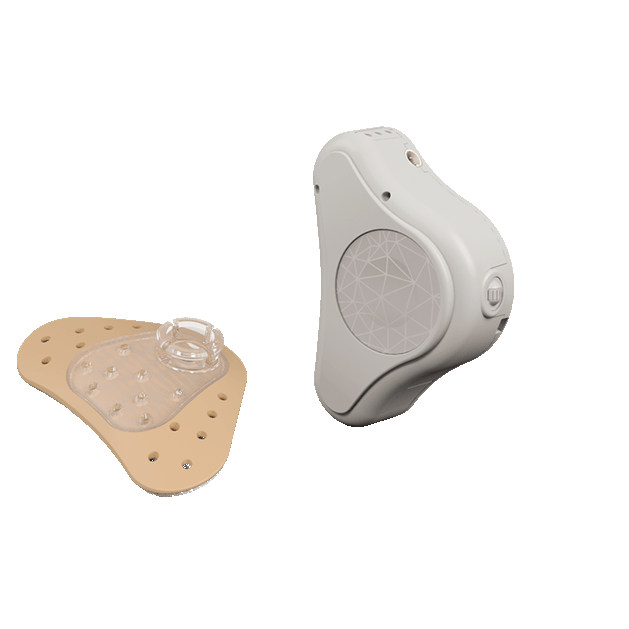
Bone conduction hearing systems provide another pathway to hearing when sound cannot travel effectively through the outer or middle ear. Instead of sending sound through the traditional ear canal pathway, these systems use vibration through the skull to stimulate the inner ear. They may be considered for patients with chronic middle ear conditions, outer ear differences, congenital ear conditions, or hearing needs that make conventional hearing aids difficult to use. The specific system depends on age, anatomy, type of hearing loss, medical history, and patient preference. The team can explain whether a temporary, non-surgical solution or an implanted system offers the better path toward improved hearing.
Tinnitus Treatment
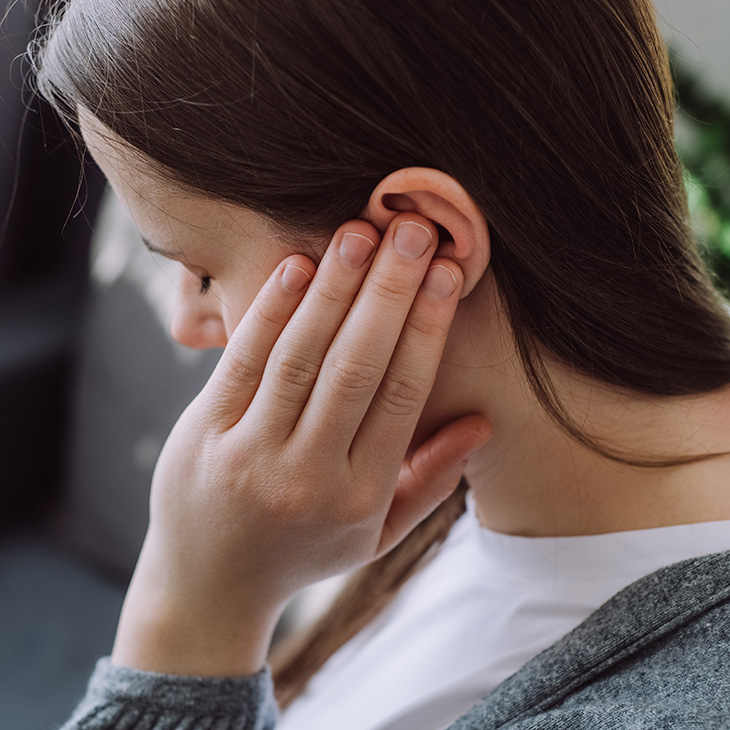
Tinnitus can sound like ringing, buzzing, humming, or another sound that does not come from an outside source. For some patients, it is occasional and mild; for others, it can interfere with concentration, sleep, communication, or emotional well-being. Tinnitus evaluation at Dallas Ear Institute begins with a review of the sound itself, hearing concerns, medical history, and factors that may contribute to symptoms. The team also evaluates hearing because tinnitus commonly occurs alongside hearing loss. Treatment is personalized to what is found and may include hearing aids for patients with hearing loss, tinnitus-focused sound technology, counseling strategies, or medical evaluation when symptoms suggest another underlying concern. Dallas Ear Institute’s integrated structure lets audiologists and physicians consider the hearing and medical sides of tinnitus together, rather than asking patients to navigate those concerns separately.

Lace Auditory Training
Better hearing is not only about getting more sound into the ears; the brain also has to make sense of what it hears. LACE, or Listening and Communication Enhancement, is an app-based auditory training program designed to strengthen listening and speech-processing skills, particularly in difficult environments such as restaurants, gatherings, and other places with competing noise. The Hearing Center is a LACE AI Pro Certified Clinic and can incorporate the program into personalized hearing rehabilitation for hearing aid or cochlear implant users and other patients who struggle with communication. Exercises can target auditory processing, working memory, focus, and listening strategies, with a large library of real-world scenarios patients can work through at their own pace. Audiologists can help patients get started, monitor progress, and use LACE alongside hearing technology to build confidence in everyday communication.